
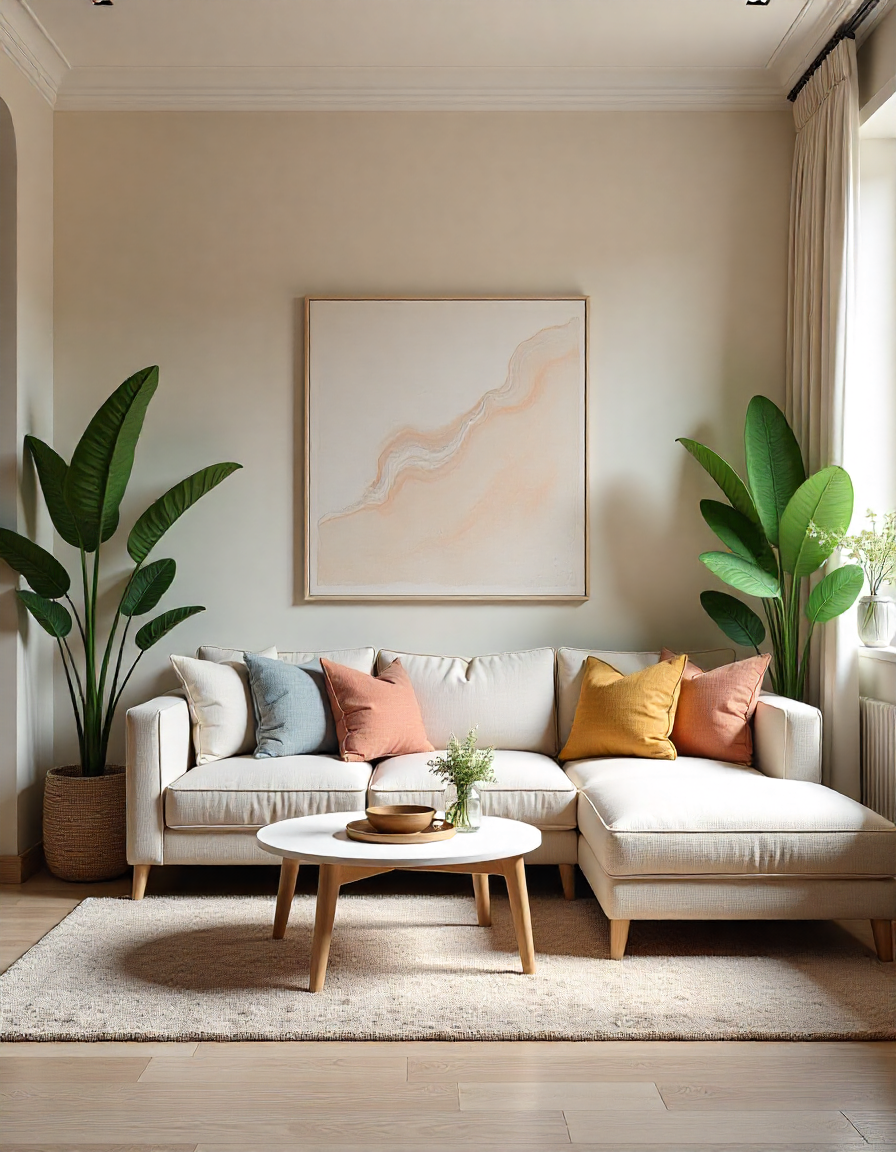
Home is more than just a space; it’s where we create memories, relax, and express our individuality. The way we design our interiors influences how we feel, work, and interact with the world around us. Whether you’re moving into a new house or looking to revamp your current space, interior design is an art that can transform your home into a haven of comfort and style. But creating a space that truly feels like home goes beyond just arranging furniture or choosing the right paint color. It’s about creating harmony between aesthetics and functionality while reflecting your personal style.
1. The Foundation of Interior Design: Understanding Your Space
Before diving into furniture selection or color palettes, it’s crucial to understand the layout and characteristics of your space. A good interior design starts with a thoughtful assessment of the room’s size, shape, and natural light sources.
-
Room Functionality: Begin by identifying the primary function of each room. Is it a space for relaxation, work, or entertainment? Once the purpose is clear, it becomes easier to select furniture, accessories, and decor that support that function.
-
Lighting: Natural light is one of the most underappreciated elements in design. When designing a room, think about how light flows in at different times of the day. If a space lacks sufficient natural light, consider layering with ambient, task, and accent lighting to create a well-balanced atmosphere.
-
Flow and Layout: Understanding how people move through a space is essential for optimal flow. Avoid overcrowding rooms with too much furniture. Make sure there’s ample space for movement, especially in high-traffic areas.
2. The Power of Color: Setting the Mood
Color plays a central role in home decor because it can dramatically alter the mood and ambiance of a space. From calm and soothing hues to bold and energizing tones, your choice of color palette has the power to set the tone for your home.
-
Neutral Tones: Light neutrals like whites, grays, and beige are perfect for creating a serene atmosphere. They also work well in smaller spaces, making them appear larger and more open.
-
Bold and Vibrant Colors: If you want to add personality and energy to a room, incorporate bold colors like emerald green, royal blue, or mustard yellow. These can be added through accent walls, throw pillows, or artwork.
-
Accents and Contrasts: Pairing contrasting colors can make your space feel dynamic. For instance, a dark feature wall with light-colored furniture creates a striking yet balanced look. Accent colors, such as gold or copper, can also add warmth and sophistication to neutral spaces.
3. Furniture: Blending Comfort and Style
Furniture is more than just functional; it’s an expression of your personality and lifestyle. The right pieces can define a room and elevate its aesthetic, while comfortable furniture ensures your home remains welcoming and functional.
-
Timeless Designs: While trends come and go, classic pieces tend to have longevity. A leather sofa, an elegant wooden dining table, or a mid-century modern armchair will always remain stylish and can easily fit into different types of decor.
-
Balance between Form and Function: In choosing furniture, always strike a balance between beauty and practicality. For example, a stylish coffee table should also offer storage or dual-purpose functionality to serve multiple needs.
-
Personal Touches: Adding personal touches, such as a handmade rug, a vintage dresser, or family heirlooms, can infuse your space with warmth and authenticity.
4. Texture and Materials: Adding Depth and Dimension
Textures and materials give your space depth, making it feel rich and inviting. Layering different textures adds dimension to a room and enhances the tactile experience.
-
Natural Materials: Materials like wood, stone, linen, and cotton bring a sense of organic warmth to your home. For instance, a reclaimed wood coffee table can add a rustic charm, while marble countertops bring a touch of luxury.
-
Soft Furnishings: Incorporating fabrics such as velvet, wool, and silk through cushions, throws, and upholstery creates a cozy and luxurious atmosphere. Mixing these fabrics with leather or metal details adds a sense of contrast and interest.
-
Artisanal and Handmade Pieces: Items like handwoven baskets, artisanal pottery, or hand-painted vases can bring a unique, personal element to your home. These handcrafted items often tell a story and make your decor feel special and one-of-a-kind.
5. Accents and Decor: Small Details with Big Impact
While furniture and layout set the tone, accents and decor bring personality and character into a space. These small but mighty elements can turn a room from generic to memorable.
-
Artwork: A well-chosen piece of art can serve as the focal point of a room. Whether it’s a large abstract painting or a gallery wall of family photos, artwork adds color, emotion, and style.
-
Rugs and Textiles: Rugs are not just for warmth—they also help define areas in a room. A plush rug can cozy up a living room, while a patterned rug can add vibrancy to a neutral-toned space.
-
Plants: Incorporating plants into your decor is an easy way to bring nature inside. Whether you choose a statement indoor plant like a fiddle leaf fig or smaller succulents, plants can bring life to your home, purify the air, and even improve your mood.
-
Mirrors: Mirrors are more than just functional items—they can make a room appear larger and brighter. A large mirror with a bold frame can also act as a striking decor piece.
6. Storage Solutions: Organizing for Simplicity and Function
A clutter-free home is a happy home, and storage solutions are essential to keeping things organized while maintaining the beauty of your space.
-
Multi-functional Furniture: Invest in furniture that doubles as storage. Ottomans, coffee tables with hidden compartments, and beds with storage drawers are practical and stylish solutions for reducing clutter.
-
Open Shelving: Open shelves in the kitchen, living room, or bathroom allow you to display decorative items while keeping everyday essentials within easy reach. However, make sure the shelves are neat and organized—cluttered open shelves can detract from the overall look of a room.
-
Hidden Storage: Utilize under-bed storage, closet organizers, and built-in shelving to maximize space without compromising on aesthetics. By keeping your belongings out of sight, your home will maintain a clean and serene vibe.
7. Sustainable Design: Eco-Friendly Choices for a Greener Home
Sustainability is an increasingly important aspect of home design. Choosing eco-friendly materials, energy-efficient appliances, and sustainable furniture is not only good for the environment, but it also promotes a healthier home.
-
Recycled and Upcycled Materials: Look for furniture and decor made from recycled or upcycled materials. Items like reclaimed wood tables or repurposed metal furniture add character and sustainability to your home.
-
Energy-Efficient Appliances: Energy-efficient appliances reduce your carbon footprint and lower utility bills. Look for products with ENERGY STAR labels, such as refrigerators, washing machines, and light bulbs.
-
Sustainable Fabrics: Choose fabrics made from organic cotton, hemp, or bamboo for your upholstery, bedding, and curtains. These materials are not only eco-friendly but also durable and soft.
8. Personalizing Your Space: Make It Truly Yours
Your home should reflect who you are and what you love. Personal touches make a big difference in creating a space that feels authentically yours.
-
Family Heirlooms and Sentimental Items: Incorporating items that hold personal meaning, such as inherited furniture, travel souvenirs, or gifts from loved ones, adds warmth and depth to your decor.
-
Color and Art Choices: Use your favorite colors in accents like cushions, vases, and throws. Hang art that resonates with you, whether it’s abstract, landscapes, or photographs.
-
Meaningful Design: Whether it’s creating a reading nook, a meditation corner, or a family game room, design spaces that support your hobbies and passions. By tailoring your home to fit your needs, you create a sanctuary that brings joy.
Conclusion
Designing your home is an ongoing journey, one that evolves with your tastes and lifestyle. It’s about finding the right balance between functionality, comfort, and aesthetics. By paying attention to the details—whether it’s the perfect paint color, a piece of handcrafted art, or the right lighting—you can transform any space into a home that is both stylish and practical. Whether you’re working with a small space or a large one, there’s always a way to personalize and elevate your home to make it truly your own.